
The Founder Journey: The Truth Behind Endings and Beginnings
Many see the founder journey as being all about beginnings, whether it’s launching a product, raising funding or starting their company.
But endings seldom come up.
A startup’s life cycle mirror the human lifecycle. It’s full of growth, change and uncertainty.
In addition, this is a journey that can end and begin multiple times, if you’re a serial founder.
Read on to find how how endings and beginnings shape leadership, how founders set culture and the role of emotional intelligence.
Founder Journey: The Ending
Let’s start with the end.
They matter as much as the beginnings. Sometimes even more.
Because how you navigate ending indicates your maturity as a leader.
And how you’ll lead your company in the long term.
Doesn’t matter ifit’s your first startup. Or your fifth.
Maybe it was a successful exit. On the contrary, it may have failed.
Whichever it was, endings are a prequel to beginnings.
What was it for you, if it wasn’t a previous startup? Was it a job? Maybe even a former version of yourself.
Have you paused to acknowledge what you’ve left behind on your founder journey?

Founder Journey
From ancient to modern, cultures around the world honor enings with rituals. Some practise ancestor offerings. Others adopt commemoration rituals.
Yet, they all have a common purpose: to provide closure and mark significance
The same applies to professional journeys.
Whether your previous venture was successful or painful, it deserves to b recgnize.
Did you celebrate your previous exit? Or move on quietly, leaving your past accomplishments unacknowledge. Perhaps you raced ahead to your new venture, hoping to sustain momentum from your previous journey.
If your previous venture didn’t pan out as you had expected, did you mourn or grieve? Or take time to reflect on it’s lessons?
Many founders miss the opportunity to close the chapter on what came before.
Whether in professional or personal growth, letting go is required. This could be of identities, painful narratives or lingering disappointments.
The difficult and more painful endings shape your entrepreneurial path as much as the successes.
Reach out to a friend or a guide. Honor the path that brought you to where you are right now.
Because in doing so, you move into your new beginning with intention, clarity and strength.

Founder Journey
The Beginnings Of Your Founder Journey
So, here you are at the beginning. Ideas are buzzing.
Along with that, the xcitement of what can happen. Not to mention the pressure to grow and deliver.
There’s a strong sense of urgency in early-stage startup landscapes.
This can be around different things: how to build, fundraising strategy or execution roadmap.
At the same time, there may be a sense of vulnerability.
A sense of fragility is conveyed even in the terminology: pre-seed, seed.
Like a gardener tending to a sapling, your role involves creating the right environment to nurture growth.
Not to rush it.
Does your pace align with your values and your resources.
Your startups are not empires at this stage. They are seeds.
Therefore, they require care, intentionality and nourishment
What does nurturing look like at an early stages? It’s creating the right environments for growth. So your seed can reach it’s full potential.
It may look like hiring for culture fit, not just goals. Or knowing that working longer hours doesn’t translate to faster growth. Just like overwatering a plant can drown it.
What does your founder journey resemble in the early stage, professionally and personally?
Pay close attention you your habits, mindsets and support systems. You become a reflection of these.
Even with the uncertainty, beginnings are beautiful.
At the same time, they are delicate.
As a founder, how do you show up for beginnings?
Are you present, grounded, even intentional?
It makes all the difference in how your seed takes root and grows.

Founder Journey
The Founder Is the Culture
In the earliest stages of the startup, the culture is you.
Your energy, your values, how your solve problems. And especially, your way of being.
Accordingly, it sets the tone for everything.
Your decisions will reflect if you operate from fear and scarcity.
And your team will mirror this.
If you’re reactive, they will be too.
Lifewise, if you’re curious and open-minded, they’ll follow suit.
If you have a high need for control and micromanagement, they’ll withdraw.
And a toxic work environment will form.
The Journey of Leadership
While external forces may shape the venture. But it’s the founder’s intention and leadership that shape it’s sustainability the most.
As you move from ideation into execution, you also move along the entrepreneurial path.
You grow into your leadership role. And it’s a visible one.
Leadership is not just about hiring decisions, product direction and performance metrics.
In fat, it’s far more comprehensive than that.
And more human.
Great leaders don’t just innovate products.
They create environments where their people flourish.
Not only that, they optimize the right conditions so employees can grow.
And the conditions to create: inclusion, trust and psychological safety. These are just a few.
Because teams where members feel valued and recognized will be more creative, resilient and productive.
As a result, business growth will follow.
So how do you create those conditions?
By building your self-awareness as much as you build your business.
Founder Journey
Emotional Intelligence: A Secret Weapon on the Entrepreneurial Path
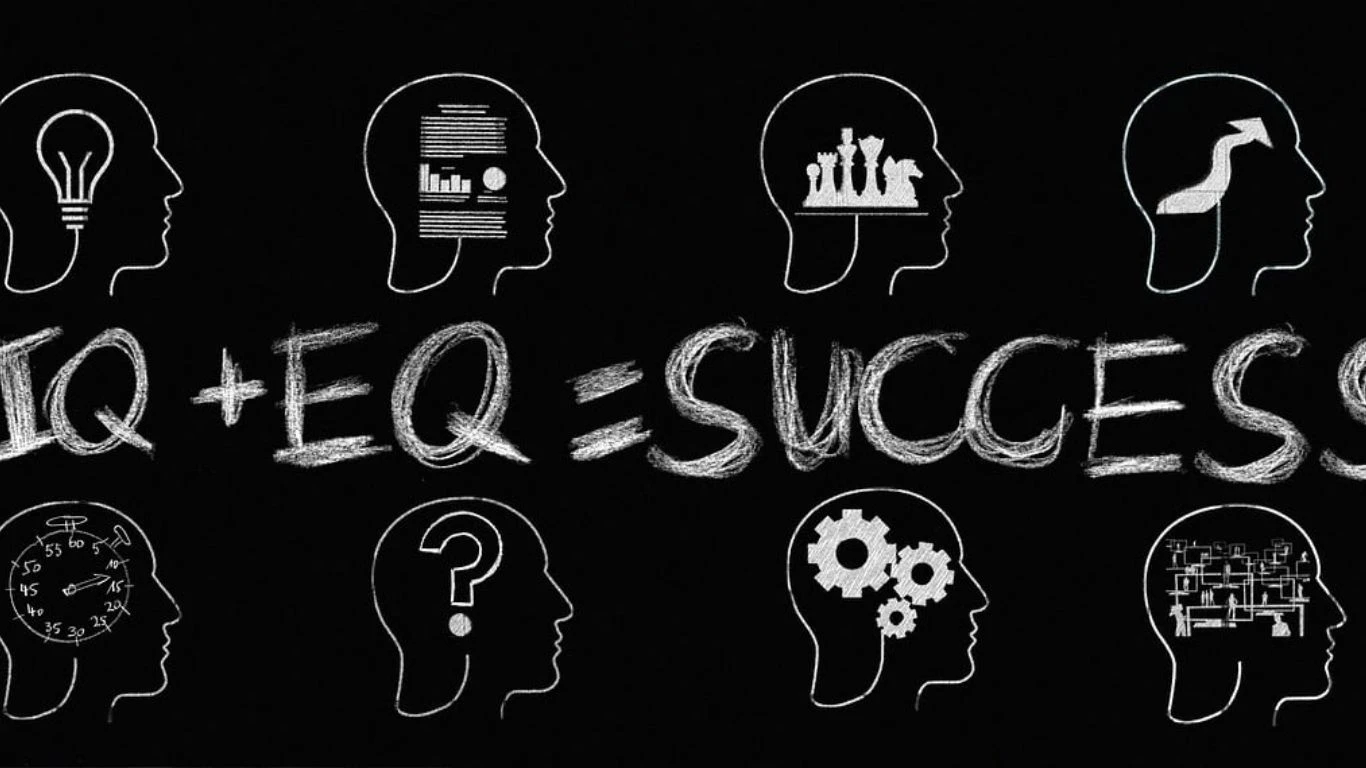
One of the most critical skills for a founder to develop is emotional intelligence.
This is the ability to express, manage, and understand your emotions.
Along with the ability to relate to the emotions of others.
It’s what transforms you from a competent operator to an inspiring leader.
Emotional intelligence is not something you either have or don’t.
It’s a muscle. And like any muscle, it grows with attention, consistent use, and repetition.
It can start with small steps. Start with self-awareness.
When you’re stressed or frustrated, either with a teammate or yourself, what story do you tell yourself?
And do you react, or respond?
Then, move into empathy. Notice what motivates your team members beyond the scope of their roles.
Are you curious enough to find out? Can you sense when someone’s struggling even if they haven’t said it out loud?
Leadership is a continuous practice, not a destination.
Additionally, emotional intelligence is one of its most powerful tools.
Conclusion
As a leader, your presence is your most powerful tool.
This refers to how you show up, how you treat others, and how you respond to uncertainty.
So, how do you show up at endings, beginnings, and everything in between?
Founder Journey1
Next Steps
If you’d like to explore how coaching can support your leadership development and growth, get in touch.
I offer a 20-minute clarity call where we can connect and explore your requirements. Book here.
FAQs
1. Why do founders struggle more with endings than beginnings?
Because starting energizes the ego. It signals potential and control. Ending, on the other hand, forces confrontation with loss, identity, and impermanence. It’s not failure aversion; it’s grief avoidance dressed up as momentum.
2. How do you know when you’ve actually let go of a past venture?
When you can talk about it without either defensiveness or nostalgia. Detachment isn’t apathy. It’s the quiet clarity that comes from metabolized experience.
3. What’s the hidden cost of rushing into your next beginning?
You drag yesterday’s urgency, expectations, and unresolved patterns into tomorrow’s build. A founder’s pace often mirrors their avoidance, not their ambition.
4. How does leadership maturity show up in uncertainty?
Not in decisive action, but in the ability to stay grounded when outcomes blur. Mature founders resist the reflex to control; they create space for reality to emerge before reacting to it.
5. Why does emotional intelligence still sound “soft” to so many founders?
Because it’s invisible until it’s missing. Startups don’t crumble for lack of strategy. They erode through unspoken resentment, unchecked stress, and leaders who can’t read the room.
6. What does a conscious founder measure success by?
Not by valuation or speed of growth, but by the quality of alignment between their values, decisions, and the impact they create for their team, customers, and themselves.
Because starting energizes the ego. It signals potential and control. Ending, on the other hand, forces confrontation with loss, identity, and impermanence. It’s not failure aversion; it’s grief avoidance dressed up as momentum.
When you can talk about it without either defensiveness or nostalgia. Detachment isn’t apathy. It’s the quiet clarity that comes from metabolized experience.
You drag yesterday’s urgency, expectations, and unresolved patterns into tomorrow’s build. A founder’s pace often mirrors their avoidance, not their ambition.
Not in decisive action, but in the ability to stay grounded when outcomes blur. Mature founders resist the reflex to control; they create space for reality to emerge before reacting to it.
Because it’s invisible until it’s missing. Startups don’t crumble for lack of strategy. They erode through unspoken resentment, unchecked stress, and leaders who can’t read the room.
Not by valuation or speed of growth, but by the quality of alignment between their values, decisions, and the impact they create for their team, customers, and themselves.