

Startup Legacy And What No One Talks About
“Hopefully, this will influence a new form of capitalism that doesn’t end up with a few rich people and a bunch of poor people.”
What are your thoughts about this quote?
Agree? Disagree? Still thinking?
We’ll explore startup legacy as culture, scale, and leadership. Additionally, we’ll compare legacy to branding.
The truth is, your legacy is….now.
But first, a story.
Startup Legacy and Chouinard’s Footprint
Some of you may have recognized the quote above. It’s from Yvon Chouinard, the founder of Patagonia, the outdoor apparel company.
In 1973, he founded the company with an initial focus on climbing gear.
In 2020, he gave the company to a non-profit and a trust.
The mission: to fight climate change and environmental causes.
The company was worth £3 billion at the time. It built a company aligned with personal and environmental values.
He is known for challenging conventional thinking about profit and social good.
However, he didn’t just preach without practise.
Patagia was known for its environmental stewardship and values-driven innovation.
And Chouinard championed an employee-first culture. One that promoted sustainable practices.
His company is proof of his startup legacy.
And legacy is not just how big or long-lasting a company becomes.
legacy represented by trees in golden light\

startup-legacy
Leadership and Startup Legacy
Some founders associate legacy with innovation. Others relate influence to valuations and scale.
They’re not wrong. But they’re not right either.
Legacy is far more encompassing than that.
But the part that’s most discussed when it comes to imprint involves numbers.
Whether it’s around exit valuation or product.
Perhaps even the number of offices it had or the headcount.
Some startups scale and leave negative legacies.
You know. The ones known for toxic culture, spectacular fallouts, and unrelenting pace.
I’m sure a few come to mind.
startup founder with finger on lips

startup-legacy
Inner Aspects of Legacy
But a startup is an extension of the founder’s inner world. And its legacy has an intangible quality.
For instance, if a founder behaves in rude and disrespectful ways, set a poor example.
And working without breaks or avoiding challenging conversations means the team follows suit.
Additionally, it creates a behavioural pattern that ripples throughout the startup.
As a result, a harmful work culture takes form.
Because the signal was sent saying, “It’s ok to behave in this way.”
A company led by an ego-driven founder can achieve stellar results.
However, they come at a cost.
And the cost? It’s high turnover, low employee engagement, and a toxic work culture.
A startup reflects the founders’ fears and ambitions.
Because the founder’s beliefs and behaviour will be mirrored in their startup.
In other words, it’s a mirror. Whatever drives you is reflected in how the team culture and how they behave.
And, influence is about how values are practised.
It focuses on sustainability and long-term thinking.
Startup legacy is the emotional footprint a company and its founders leave behind.
If it’s presence and emotional regulation, you’ll see a long-term leadership legacy that is calm, confident, and operates with intention.
In the end, it refers to how people’s experiences are shaped, both internally and externally.
If you think about it, your company’s legacy is being created right as you read this.
Do you know what legacy you’re creating? And are you creating it with intention and integrity?
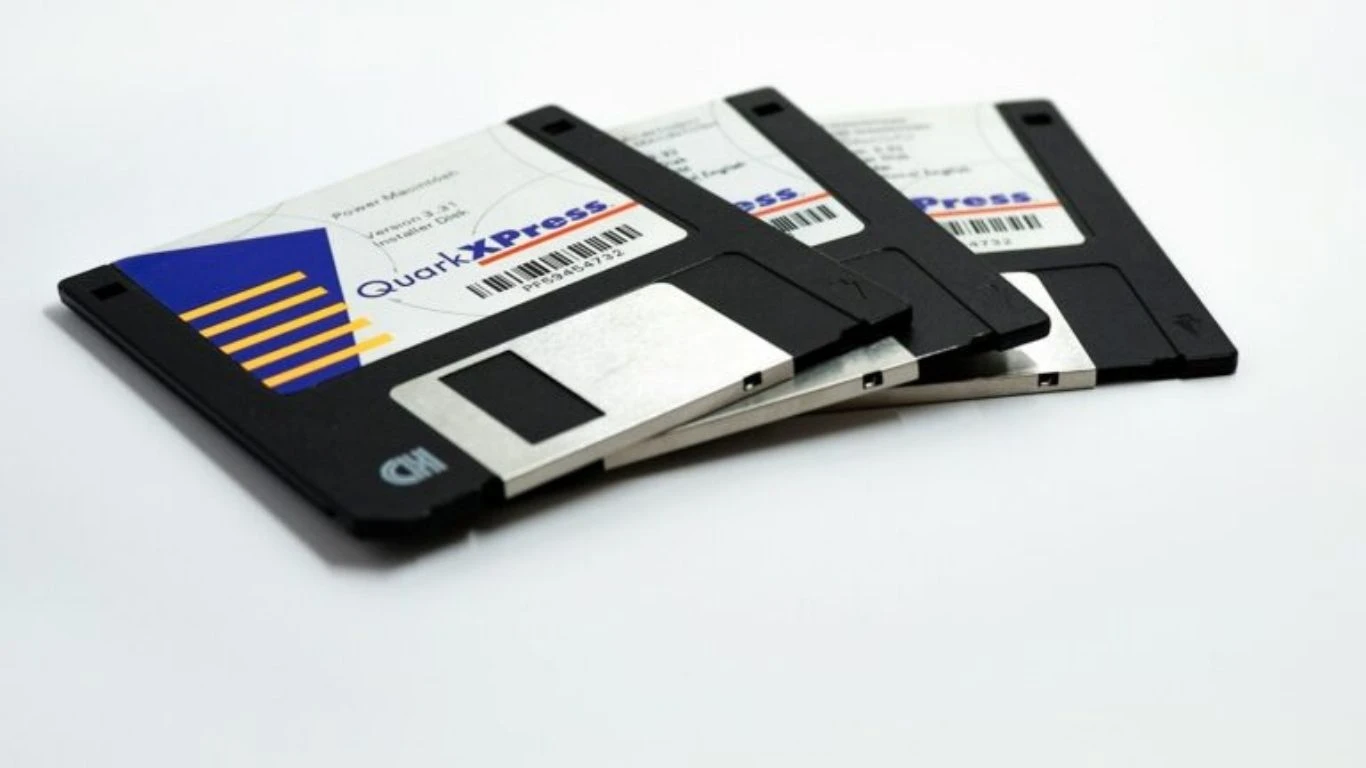
three Quad Xpress diskettes to preserve legacy memories
startup-legacy
A Startup Founder’s Imprint on Transitions
How is legacy managed in your organization during a time of transition?
This is when the founder steps back and sells or shuts down the company.
A healthy closing involves being clear and transparent about the reasons for your decisions and actions.
And what’s remembered will include your relationships with your staff, customers, partners, and even your community.
Not just the output and metrics.
What’s more, it is possible to tank in the market while thriving in a relationship, and that still counts as legacy.
While you may not walk away with the financial success you envisioned, you’ll have a reputation for consistency and integrity.
And that’s a legacy that you’ll take with you for your next beginnings.
One that people will remember you for.
Legacy vs. Reputation
Legacy is the story that people will tell about you when you’re no longer in the room.
It’s the lived experience of all those in direct contact with your startup’s system.
And sometimes, it stretches even further. Often, the timelines last for years.
On the other hand, reputation is what others say about your company.
It’s formed by branding, visibility, and experience.
Reputation is more short-lived. During a scandal, a company’s reputation may be jeopardized until the crisis has passed.
Sometimes, it bounces back from these events. At other times, not so much.
startup founder holding white printer paper

startup-legacy
Conclusion
Your Legacy is Now
Real influence isn’t about scale or longevity.
It’s about the founder’s presence and influence on culture, values, and how people experienced the journey.
A startup can exit and leave behind a toxic culture.
Alternatively, it can also shut down and yet be remembered as a place where people were respected, grew, and took risks.
Next Steps
If you would like support exploring what legacy means to you, get in touch.
I offer a 20-minute clarity call where we can connect and explore your requirements. Book here.